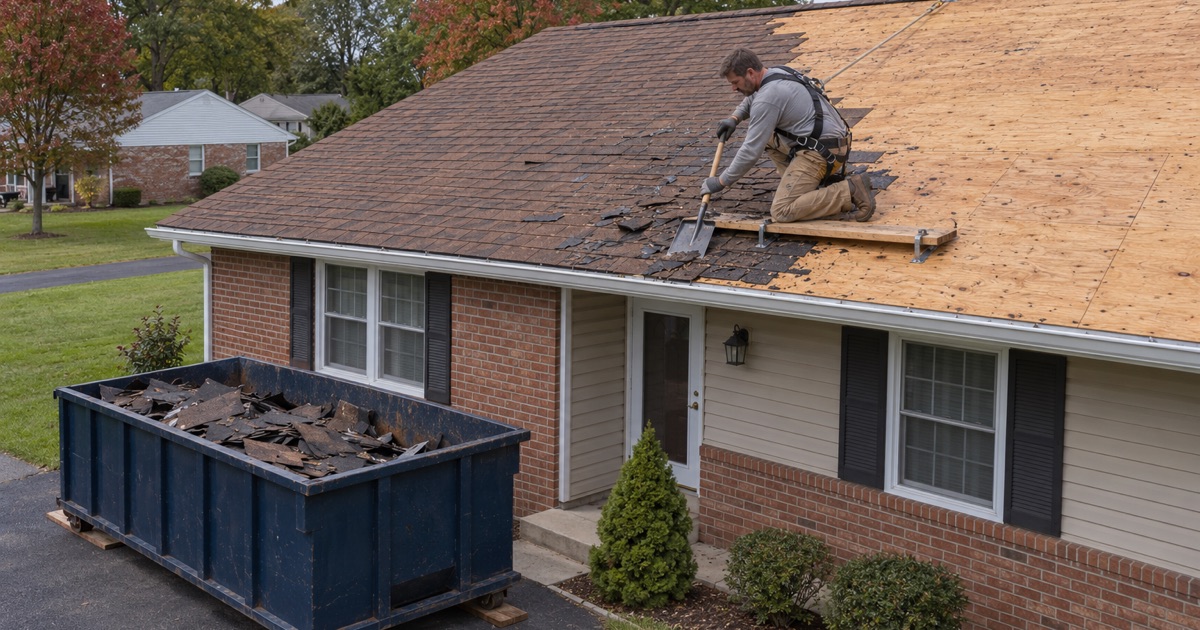
The Roof Replacement Process, Start to Finish
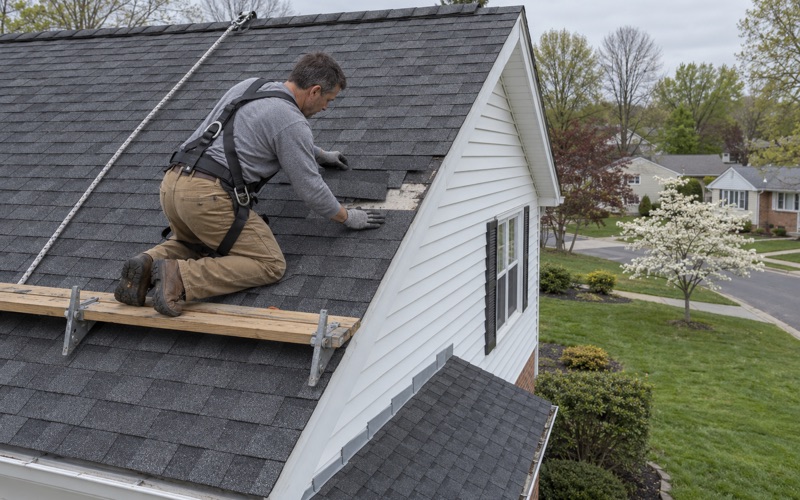
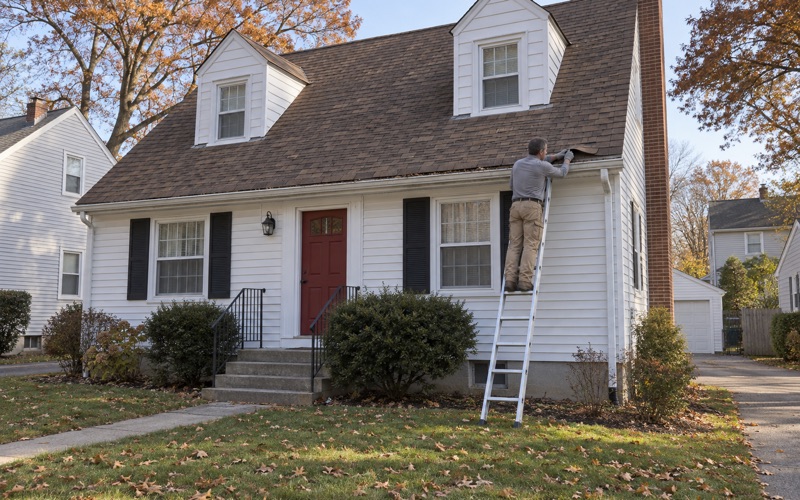
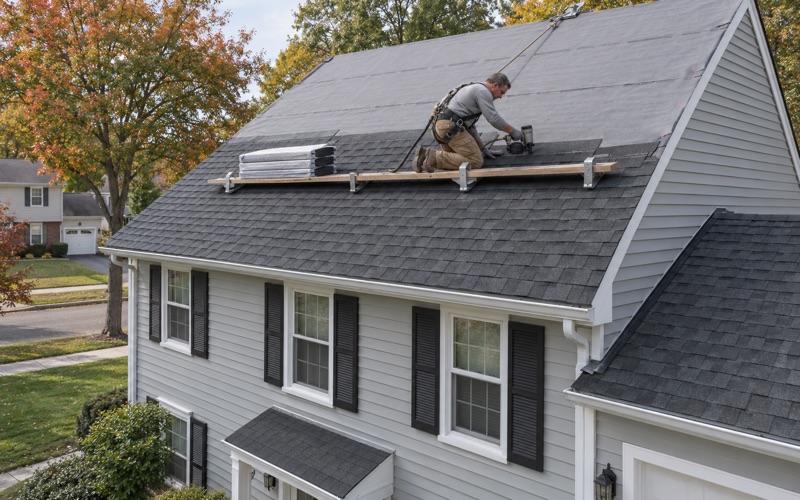
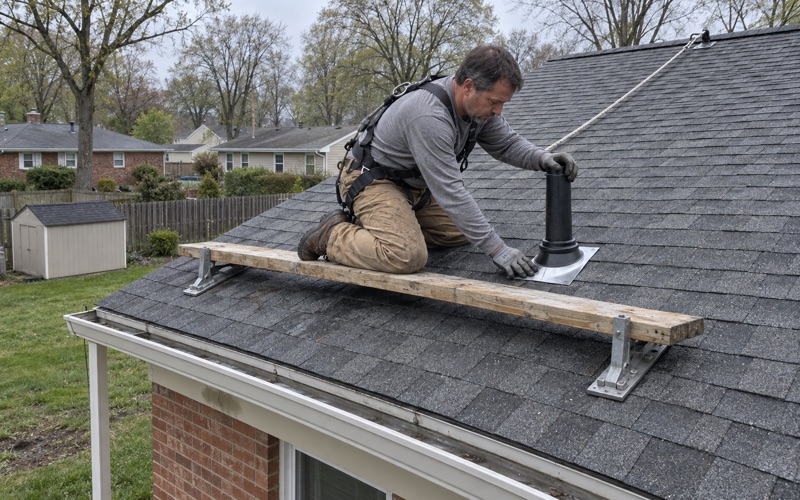
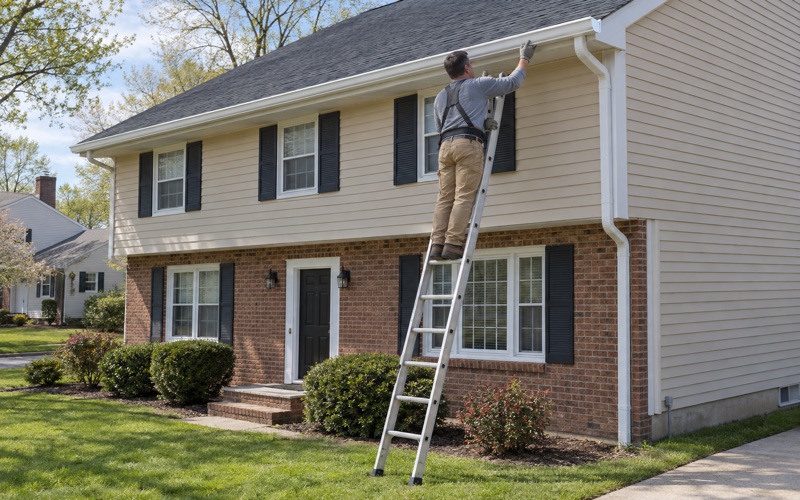
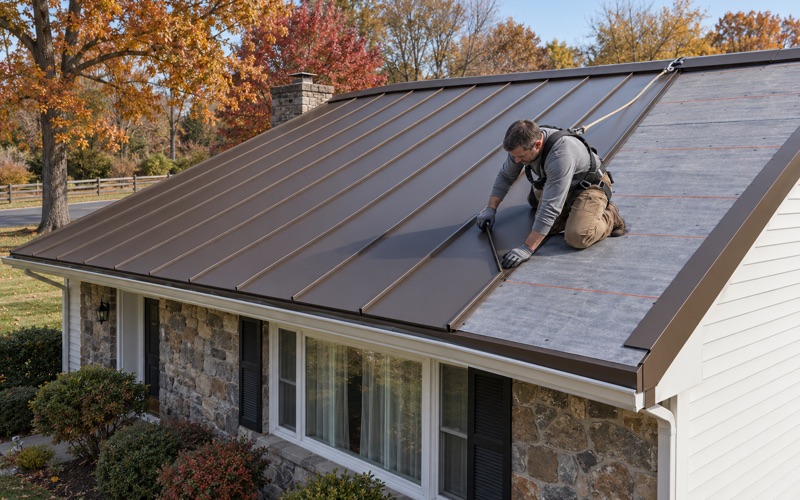
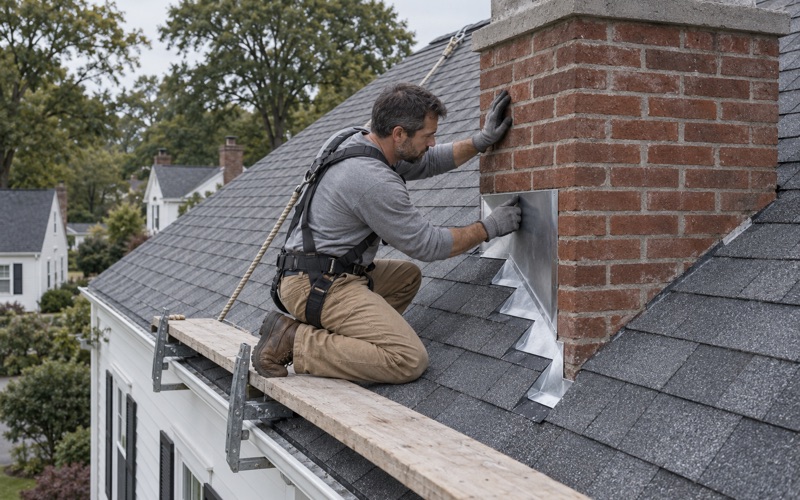
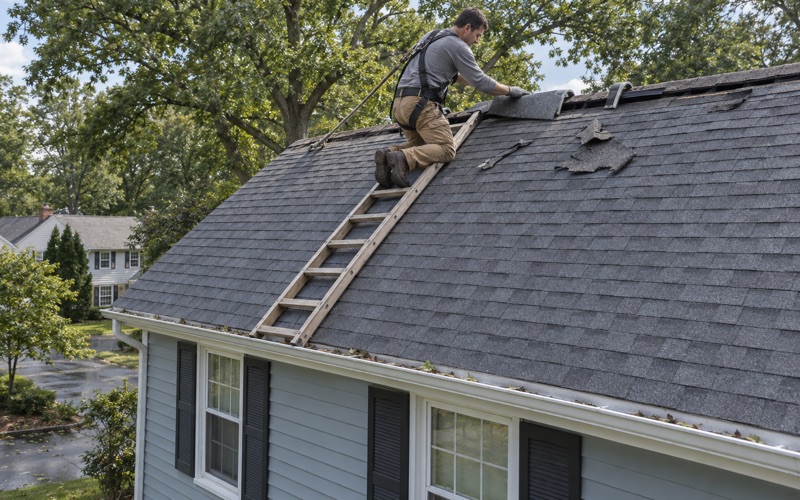
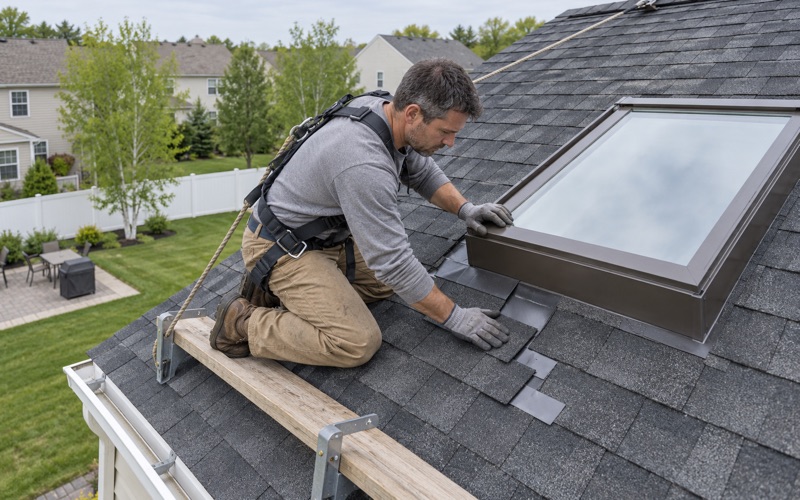
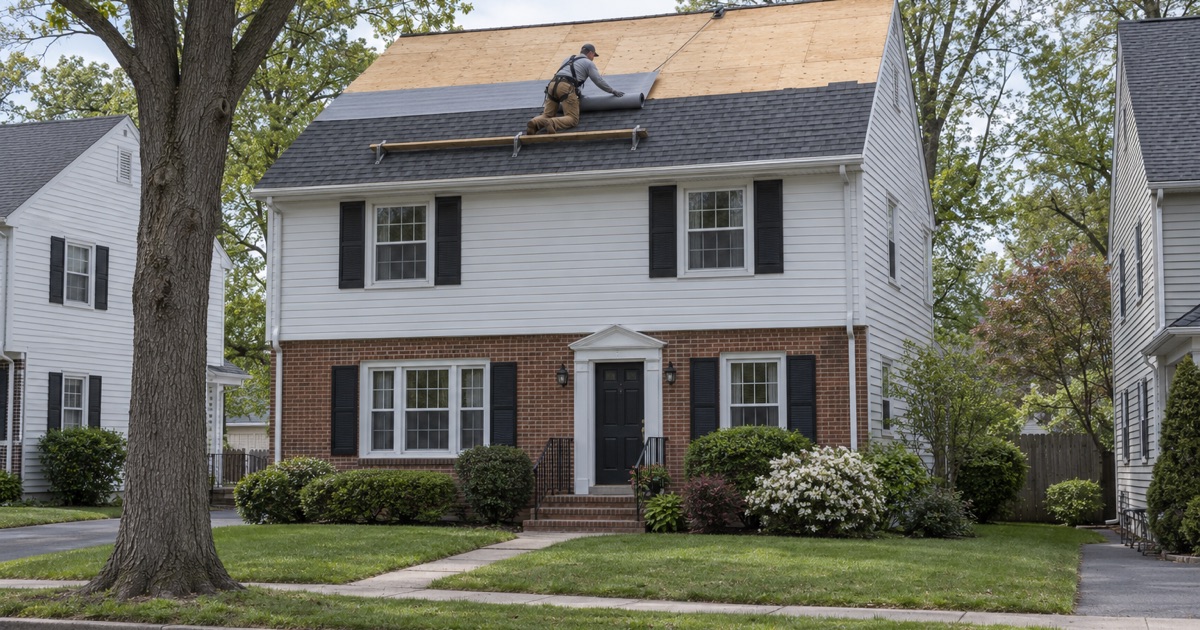
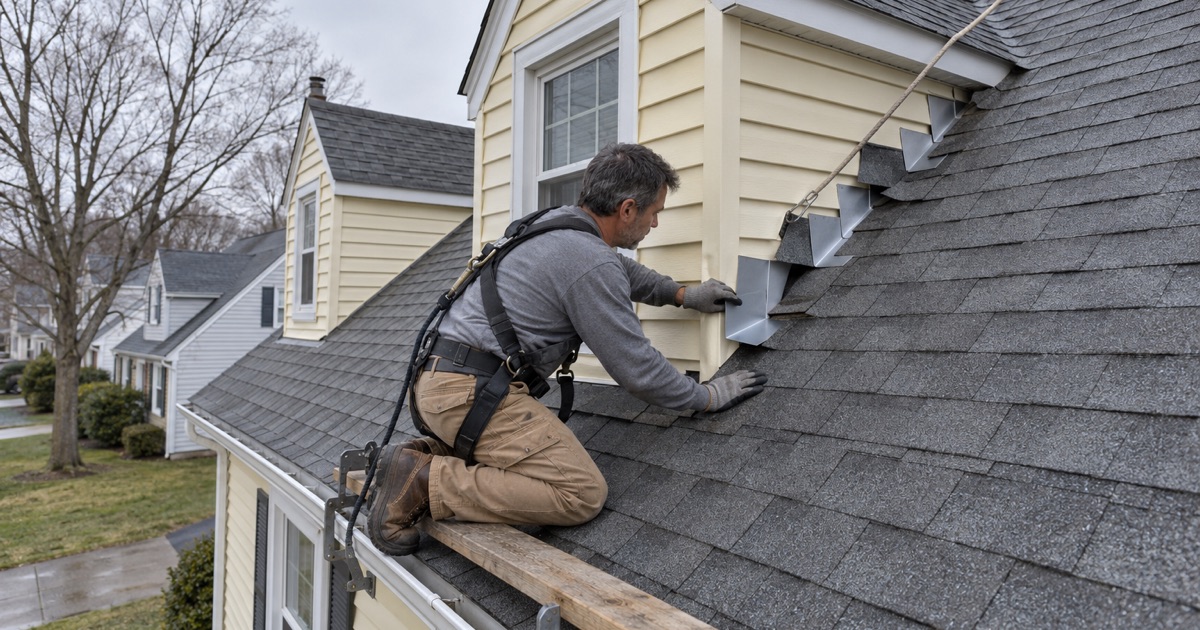
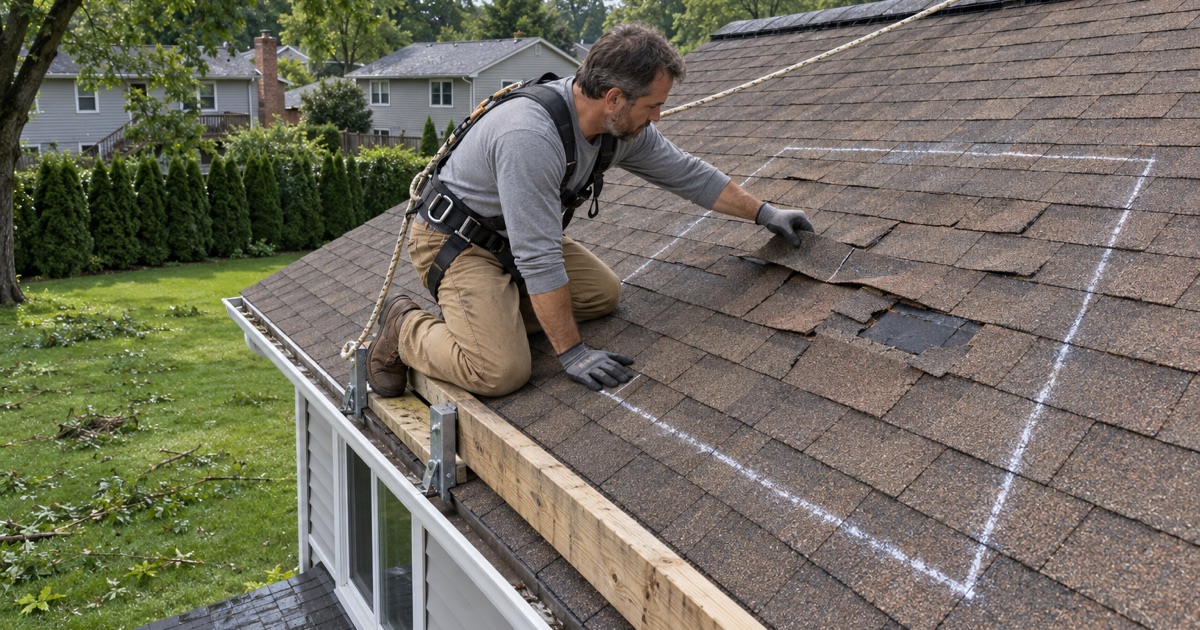
A full tear-off starts with the dumpster placement and protecting your landscaping, then stripping to the deck, inspecting and replacing damaged sheathing, installing drip edge, ice barrier and underlayment, and finally shingles, flashing and ridge vent. The day ends with cleanup and a magnet sweep for nails across the yard and driveway.
New Jersey’s Two-Layer Limit and Tear-Off Rules
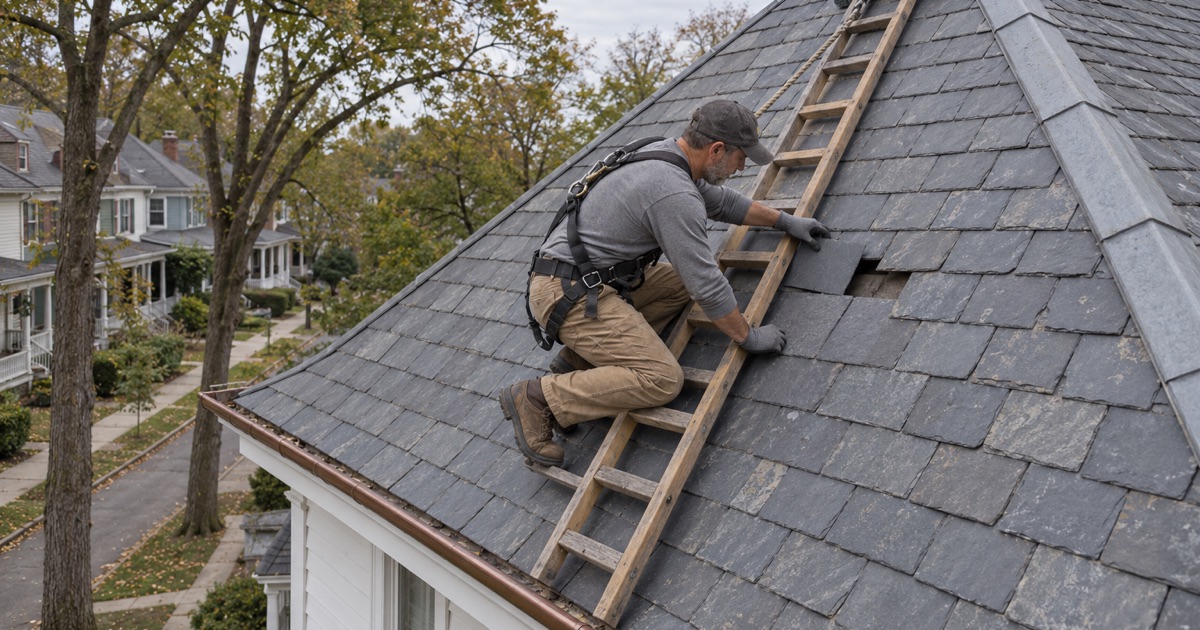
Under the New Jersey rehabilitation subcode, N.J.A.C. 5:23-6, a roof that already has two or more layers must be torn off before a new covering goes on, and slate, wood shake or tile must also come off first. The rule protects the framing from extra weight and lets us see the deck before it is covered again.
Roof Replacement Permits in New Jersey and Pennsylvania
In New Jersey, replacing the roof covering on a detached one- or two-family house counts as ordinary maintenance under N.J.A.C. 5:23-2.7, so no construction permit is needed. Attached homes and other buildings fall outside that rule. Pennsylvania permits depend on the township and the Uniform Construction Code, and we confirm the requirement before we start.
Second and Third Roofs on Mid-Century Houses
Half of Hamilton’s housing was built between 1950 and 1979, with the 1950s the busiest decade. Many of those houses are on their second or third roof now, and some carry two layers. We plan a full tear-off, check the original plank or plywood deck, and replace sheets where earlier roofs left them soft.
Choosing a Shingle Color
The right color ties together the brick, siding, trim and age of the house. A charcoal or weathered wood architectural shingle often suits a red brick ranch, while lighter siding can carry a warmer brown. We bring full-size samples so you can judge them against your home in daylight rather than off a small swatch.
Attic Ventilation With Soffit Intake and Ridge Exhaust
A roof that cannot breathe ages from underneath, cooking shingles in summer and growing frost and mold in winter. On every replacement we check soffit intake and ridge vent exhaust, calculate net free area, and correct the balance so the new shingles are not undermined by the attic beneath them.
Roof Replacement Under Solar Panels
When solar panels are on the roof, the panels have to come off before the shingles can. We schedule the removal and reinstall with the solar installer as part of the job plan, so the panels are not discovered on the first morning and the house is not left without power generation for longer than necessary.
Townhouse Roofs and Shared Walls
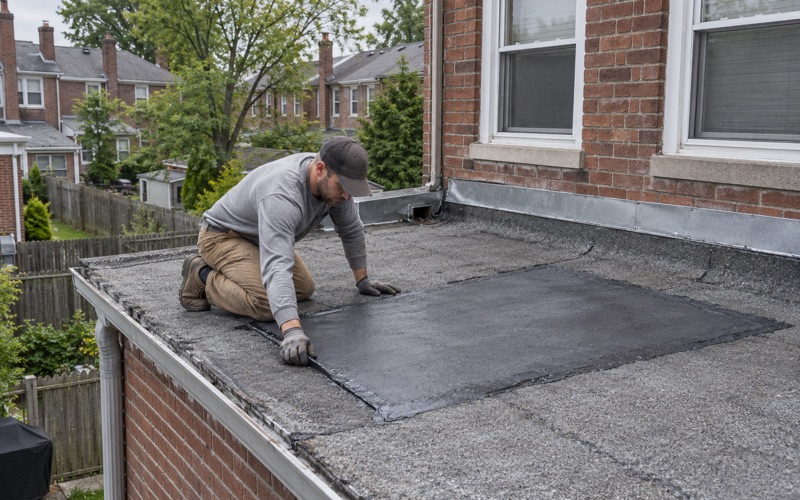
On attached homes, your roof meets your neighbor’s at the shared wall, and that joint is where water gets in. We plan the tie-in so the new roofing laps correctly onto the adjoining roof, keep the neighbors informed, and avoid damaging a roof that is not yours to replace.
In 55+ and townhouse communities, the master deed decides whether the roof belongs to you or to the association. We read those documents before writing an estimate. Where the association owns the roofs, its capital reserve study under N.J.S.A. 45:22A-44.2 often plans for replacement, and the job belongs to the board.
Selling a House and the Buyer’s Roof Inspection
A buyer’s inspector will look hard at the roof. We give sellers a written roof condition report that can be handed to the buyer’s inspector, covering age, condition and any repairs made, so a vague note about the roof does not become a price reduction at the last minute.